Fashion Works: Creative Designs, Styles, and Fashion Art
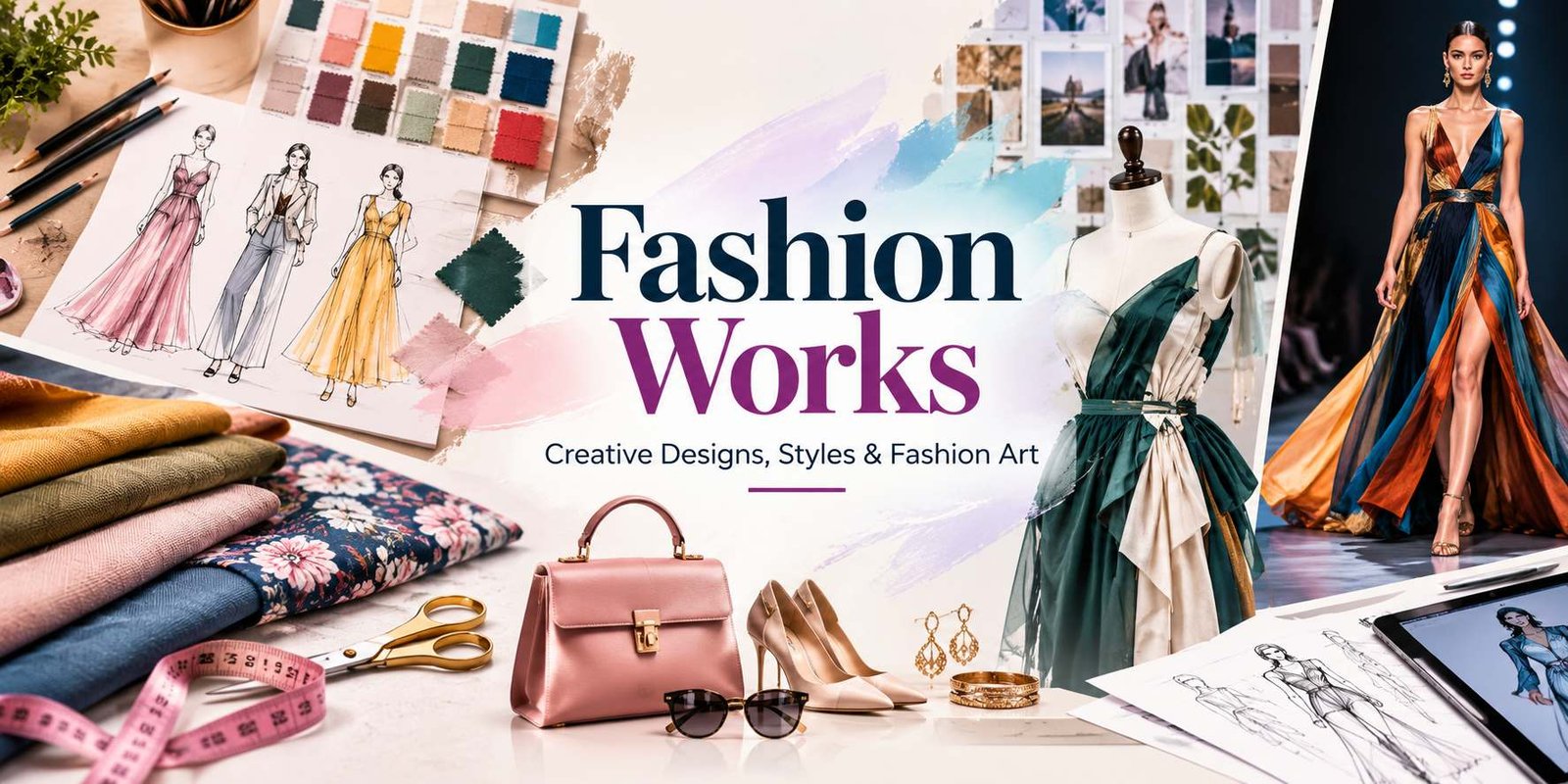
Fashion Works are creative pieces that show how clothing, accessories, textiles, and design can express ideas and personal style. A fashion work can be a simple outfit, a detailed dress, a textile pattern, a fashion sketch, or a complete runway collection. Each piece can tell a story through color, shape, fabric, and small details.
Fashion is more than choosing clothes for the day. It can also be a form of creativity. Designers use their skills to turn ideas into wearable pieces. At the same time, artists, students, stylists, and fashion lovers use clothing to explore new looks and express their own point of view.
In this guide, we will explore different types of Fashion Works, how they are created, why they matter, and how modern technology is changing fashion design.
What Are Fashion Works?
Fashion Works are creative designs made for clothing, accessories, textiles, costumes, or fashion presentations. They can be practical, artistic, or a mix of both.
For example, a designer may create a simple cotton shirt with a fresh cut. Another designer may make a detailed evening gown with hand-sewn decoration. Both can be considered fashion works because they involve creative choices.
Fashion Works can also include:
- Clothing collections
- Fashion illustrations
- Textile designs
- Handbags and shoes
- Jewelry
- Costume designs
- Runway outfits
- Experimental fashion pieces
- Sustainable clothing projects
Therefore, the term covers a wide range of creative work in the fashion world.
Why Fashion Works Matter
Fashion Works help turn ideas into something people can see and wear. They also give designers a way to explore new styles.
A strong fashion piece can attract attention because of its shape, color, fabric, or unusual details. In addition, it may show the designer’s view of culture, beauty, nature, technology, or everyday life.
Fashion works are also useful for brands. A well-designed collection can create a clear identity for a company. As a result, customers may begin to connect certain colors, shapes, or details with that brand.
For individuals, fashion can be just as meaningful. A person can use clothing to feel confident, comfortable, creative, or different.
Types of Fashion Works
Fashion Works come in many forms. Each type has its own purpose and creative process.
Clothing Design
Clothing design is one of the most common forms of fashion work. It includes dresses, shirts, jackets, pants, skirts, coats, and other garments.
Designers think about fit, comfort, fabric, color, and shape. They also consider where and when people may wear the clothing.
For example, a designer creating office clothing may choose clean lines and comfortable fabrics. On the other hand, a designer making party clothing may use brighter colors, special textures, or eye-catching details.
Fashion Illustration
Fashion illustration is another important type of fashion work. It allows designers to show an idea before making the actual garment.
A fashion sketch may show the shape of a dress, the position of pockets, the length of a coat, or the look of a complete outfit.
Today, illustrations can be made by hand or with digital design tools. Both methods can help designers develop their ideas.
Textile Design
Textile design focuses on the surface and structure of fabrics. Designers may create prints, patterns, textures, or woven designs.
Floral prints, geometric shapes, stripes, checks, and abstract patterns are common examples.
Furthermore, textile designers may work with different materials to create a special feel. Cotton, silk, linen, wool, denim, and recycled fibers can all offer different design options.
Accessory Design
Fashion is not limited to clothing. Accessories are also important Fashion Works.
This area includes:
- Handbags
- Shoes
- Belts
- Hats
- Scarves
- Sunglasses
- Jewelry
- Watches
A simple outfit can look very different when paired with the right accessories. Therefore, accessory design plays an important role in complete styling.
Costume Design
Costume design connects fashion with film, television, theater, dance, and other forms of performance.
Costume designers need to think about the character, time period, setting, and story. A costume may need to look beautiful, but it must also help the audience understand the person wearing it.
For example, a historical drama may require clothing inspired by an older period. Meanwhile, a science-fiction project may use unusual shapes and futuristic materials.
Runway Fashion
Runway fashion gives designers a place to present collections in front of an audience.
A runway look can be simple and wearable or bold and experimental. Designers often use runway shows to introduce new ideas before those ideas reach a wider market.
Runway presentations can also combine clothing with music, lighting, makeup, hair, and set design. As a result, the entire show becomes a creative experience.
How Fashion Works Are Created
Creating a fashion piece usually takes several steps. The exact process depends on the designer and the type of project.
1. Finding Inspiration
The first step is often research. A designer may find inspiration in nature, art, music, architecture, history, travel, or everyday life.
For example, the colors of a garden may inspire a spring collection. Similarly, old buildings may lead to ideas for patterns or shapes.
2. Developing the Idea
Once the designer has an idea, the next step is to give it a clear direction.
The designer may choose a color group, fabric type, shape, and overall mood. At this stage, mood boards can be useful.
A mood board may contain pictures, fabric samples, colors, words, and sketches. Together, these elements help define the project.
3. Making Fashion Sketches
The next stage is usually sketching. Designers draw possible shapes and details before creating a sample.
Several versions may be made before the final design is selected. This process gives designers a chance to test different ideas.
4. Choosing Materials
Fabric selection can change the final look of a garment. A soft fabric may create a flowing shape, while a firm fabric may create a stronger structure.
Designers may also consider cost, comfort, care, durability, and environmental impact.
5. Creating a Sample
After the design and materials are selected, a sample can be made.
The sample allows the designer to check the fit and appearance. If something does not work, changes can be made before production.
6. Final Production
Finally, the approved design can move into production. Depending on the project, this may involve sewing, printing, weaving, embroidery, cutting, or other techniques.
Quality checks are also important at this stage.
Important Elements of Fashion Works
Several design elements help make a fashion piece successful.
Color
Color can change the mood of an outfit. Soft colors may create a calm look, while strong colors can make an outfit more noticeable.
Designers often combine several colors to create balance. They may also use one main color with smaller accent shades.
Shape and Silhouette
Silhouette describes the overall shape of clothing.
A loose dress creates a different impression from a fitted dress. Likewise, a wide-leg trouser has a different look from a slim pair.
Therefore, silhouette is an important part of fashion design.
Texture
Texture refers to how a fabric looks and feels.
Knitwear, velvet, denim, leather, linen, and satin all have different textures. Mixing textures can add depth to an outfit.
Pattern
Patterns can make clothing more interesting. Stripes, checks, flowers, dots, and abstract designs are popular choices.
However, patterns need balance. Too many strong patterns in one outfit can make the overall look feel busy.
Details
Small details can have a large effect. Buttons, stitching, pleats, pockets, embroidery, zippers, and trims can all change the final appearance.
For this reason, designers often spend a great deal of time refining small features.
Fashion Works and Personal Style
Fashion Works do not only belong to designers. Anyone can use fashion creatively.
Personal style develops through choices. A person may prefer simple clothing, bold streetwear, classic pieces, romantic outfits, or modern minimal looks.
The key is to understand what feels natural and comfortable.
For example, someone who prefers a simple wardrobe may focus on neutral colors and clean shapes. Another person may enjoy bright colors, prints, and statement accessories.
In both cases, fashion becomes a way to communicate personality.
The Role of Fashion Designers
Fashion designers turn ideas into finished products. Their work requires creativity, but it also requires practical skills.
Designers may need to understand:
- Fabric behavior
- Garment construction
- Color combinations
- Fashion history
- Trend research
- Customer needs
- Production methods
- Brand identity
In addition, designers often work with other professionals. Pattern makers, textile designers, photographers, stylists, manufacturers, and marketers can all be part of a fashion project.
Fashion Works and Street Style
Street style has become an important source of fashion inspiration.
Unlike runway collections, street style develops from real people and everyday outfits. People mix different brands, colors, vintage pieces, sneakers, jackets, bags, and accessories in their own ways.
Social media has also made street style easier to share. A unique outfit can inspire people in many countries within a short time.
As a result, designers often watch street style to understand how people actually wear fashion.
Fashion Art and Creative Design
Some Fashion Works are created mainly for artistic expression rather than everyday use.
These pieces may have unusual shapes, large proportions, dramatic colors, or unexpected materials.
Fashion art can challenge common ideas about clothing. It may ask questions about identity, culture, beauty, technology, or society.
Although such pieces may not be practical for daily wear, they can still influence mainstream fashion.
Traditional Craftsmanship in Fashion
Traditional skills remain important in modern fashion.
Hand embroidery, weaving, beadwork, printing, knitting, and other craft methods can add a unique character to clothing.
Many designers combine old techniques with modern shapes. This approach can create pieces that feel both familiar and fresh.
Furthermore, traditional craftsmanship can support local makers and help preserve valuable skills.
Technology and Modern Fashion Works
Technology has changed the way fashion is designed and produced.
Digital drawing tools allow designers to create and edit sketches quickly. Three-dimensional design software can also help designers view clothing before making physical samples.
Artificial intelligence is becoming another area of interest. Designers and fashion companies can use digital tools to explore ideas, study patterns, and understand customer preferences.
Virtual fashion is also growing. Digital clothing can be created for avatars, games, social platforms, and online experiences.
Therefore, modern Fashion Works can exist in both physical and digital spaces.
Fashion Works and Sustainability
Sustainability is becoming an important part of fashion design.
Designers are exploring better ways to use materials, reduce waste, and make clothing last longer. Recycled fibers, deadstock fabrics, repair services, and careful production can all support more responsible fashion.
A sustainable fashion work does not have to look plain. Creative design can still be colorful, modern, and attractive.
For example, a designer may turn unused fabric into a new garment. Another may create a timeless jacket that can be worn for many years.
How to Appreciate Fashion Works
You do not need to be a professional designer to understand fashion work.
Start by looking at the main shape of a garment. Then notice the colors, fabric, patterns, and details.
Next, think about the purpose of the piece. Is it designed for daily wear, an event, performance, or artistic display?
Finally, consider the idea behind it. Ask yourself what makes the piece different from ordinary clothing.
This simple approach can help you see fashion in a deeper way.
Fashion Works for Students
Fashion students often create their own Fashion Works as part of school or college projects.
A student project may include a small collection, textile pattern, fashion illustration, costume, or accessory.
The process can teach students how to research, plan, sketch, select materials, and make final pieces.
Students can also use these projects to build portfolios. A strong portfolio can help show their skills to fashion schools, brands, clients, or employers.
Common Challenges in Fashion Design
Creating fashion is exciting, but it can also be difficult.
One challenge is balancing creativity with practicality. A design may look great on paper but be uncomfortable or hard to produce.
Cost is another issue. Some materials and production methods can be expensive.
Time can also become a problem. Detailed embroidery, special construction, and handmade work may require many hours.
In addition, designers need to understand their audience. A creative idea may not succeed if it does not meet customer needs.
Good planning can help reduce these problems.
The Future of Fashion Works
The future of Fashion Works will likely combine creativity, technology, and responsible design.
Digital tools may make the design process faster. At the same time, customers may continue to look for clothing that is durable, useful, and more responsible.
Personalization could also become more common. Instead of choosing from only a few standard designs, shoppers may have more options for colors, sizes, details, and fit.
Meanwhile, digital fashion may create new ways for people to express themselves online.
The most interesting developments may come from combining several areas. For example, a designer could use digital design, recycled materials, traditional craft, and personalized production in one project.
Frequently Asked Questions About Fashion Works
What are Fashion Works?
Fashion Works are creative designs related to clothing, textiles, accessories, costumes, runway collections, or fashion art.
What is an example of a fashion work?
A handmade dress, fashion illustration, printed textile, handbag, shoe design, or runway outfit can all be examples of fashion works.
Why are Fashion Works important?
They help designers express ideas, develop new styles, create brand identities, and explore changes in culture and technology.
Can fashion work be considered art?
Yes. Some fashion pieces are created mainly for artistic expression. They may use unusual materials, shapes, colors, or concepts.
How can beginners create Fashion Works?
Beginners can start with simple sketches, outfit ideas, fabric experiments, or accessory projects. Learning basic sewing and design skills can also help.
How does technology affect fashion design?
Technology can help designers create digital sketches, 3D clothing models, virtual garments, and new production methods. It can also support trend research and product planning.
Final Thoughts
Fashion Works show how creative ideas can become clothing, accessories, textiles, costumes, and fashion art. From a simple sketch to a complete runway collection, every project can involve careful choices about color, shape, fabric, texture, and detail.
Fashion also continues to change. Traditional craft can work alongside digital design, while sustainable materials can be combined with modern styles. At the same time, personal style gives everyday people a chance to become part of the creative process.
Whether you are a fashion student, designer, shopper, or simply someone who enjoys clothing, exploring Fashion Works can help you understand the creativity behind what we wear.